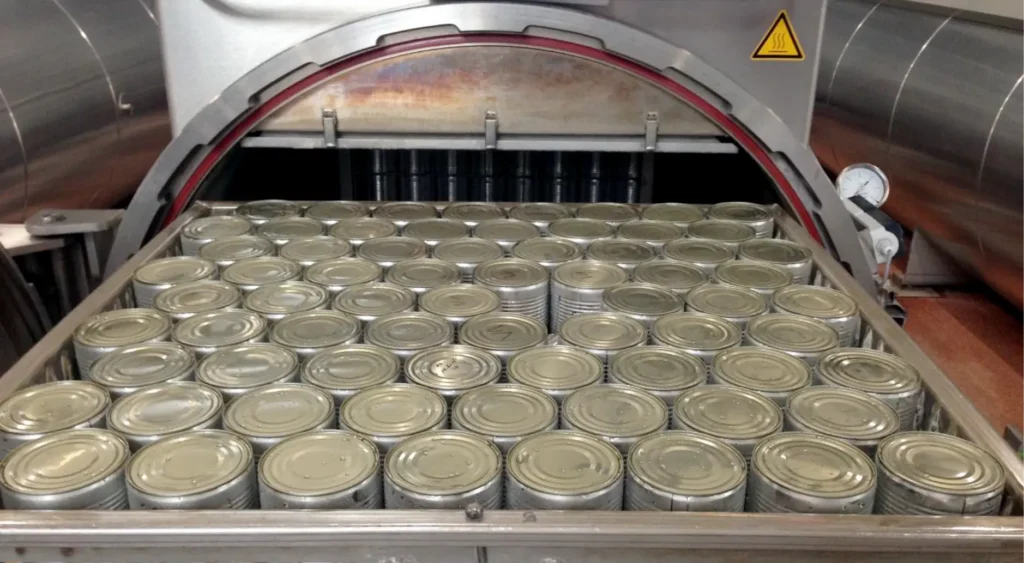
Canned foods are a convenient and long-lasting option for consumers, but the key to ensuring their safety, quality, and shelf life lies in the manufacturing process. One of the most critical components of this process is thermal process validation. This set of procedures ensures that canned foods are sterilized correctly, preventing harmful microorganisms from surviving while preserving the food’s flavor, texture, and nutrients.
Two essential methods in thermal process validation are Temperature Distribution Studies and Heat Penetration Studies. These studies help manufacturers ensure that the thermal treatment is applied uniformly, reducing risks and enhancing the efficiency of the production process. In this blog, we’ll take a closer look at why these studies are essential, how they impact process optimization, and how manufacturers can achieve energy savings by optimizing their thermal processes.
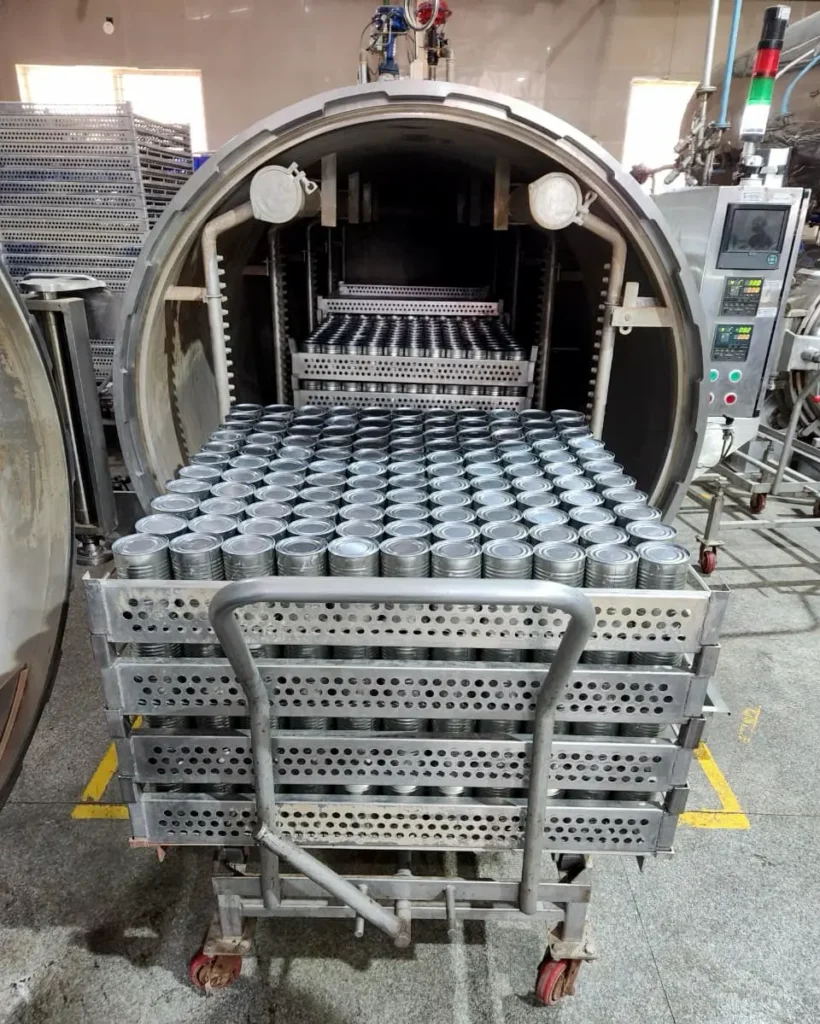
Thermal process validation refers to the systematic testing and verification that the sterilization process applied to canned foods reaches the required temperature to kill harmful microorganisms without affecting the food’s quality. This involves a series of studies and tests to ensure that:
This is achieved through two core studies:
By validating these processes, manufacturers can guarantee both food safety and high-quality products.
A Temperature Distribution Study examines how heat is distributed throughout the retort / sterilizer during the sterilization process. Heat must reach the core of the food product, as well as the edges, in every container getting processed to ensure thorough sterilization. Inconsistent heat distribution can lead to undercooked or overcooked food, resulting in safety concerns, spoilage, and poor product quality.
Key Reasons for Conducting a Temperature Distribution Study:
A Heat Penetration Study is conducted to measure how quickly heat travels through different food products and their containers. This is particularly important because food with varying densities (like meats vs. soups) will heat at different rates. The study helps manufacturers determine the correct time and temperature needed to fully sterilize the food inside the container.
Why Heat Penetration Studies Matter ?
While ensuring food safety and quality is a priority, optimizing the thermal process can also result in significant cost savings, particularly through energy efficiency. The data obtained from Temperature Distribution and Heat Penetration studies provide valuable insights into how to streamline the process, using less energy while maintaining high-quality standards.
Energy Savings Through Process Optimization:
Thermal process validation helps manufacturers meet food safety regulations like FDA guidelines, HACCP (Hazard Analysis and Critical Control Points), and international standards. By conducting Temperature Distribution and Heat Penetration Studies, manufacturers demonstrate that they are meeting the necessary safety protocols and quality assurance standards.
Proper validation also boosts customer confidence. Consumers are more likely to trust a brand that adheres to rigorous safety standards, improving brand reputation and customer loyalty.
Thermal process validation is more than just a technical requirement—it is a smart investment for any canned food manufacturer looking to ensure product safety, improve efficiency, and reduce costs. Temperature Distribution Studies and Heat Penetration Studies are crucial tools that help manufacturers optimize their processes, resulting in energy savings, better quality products, and longer shelf life.
By thoroughly validating the thermal processes used for In-Container Sterilization, manufacturers can significantly reduce energy costs, improve food quality, and most importantly, ensure that every can is safe for consumers. In today’s competitive food industry, making these improvements will not only keep manufacturers compliant with regulations but also help build consumer trust, leading to greater long-term success.
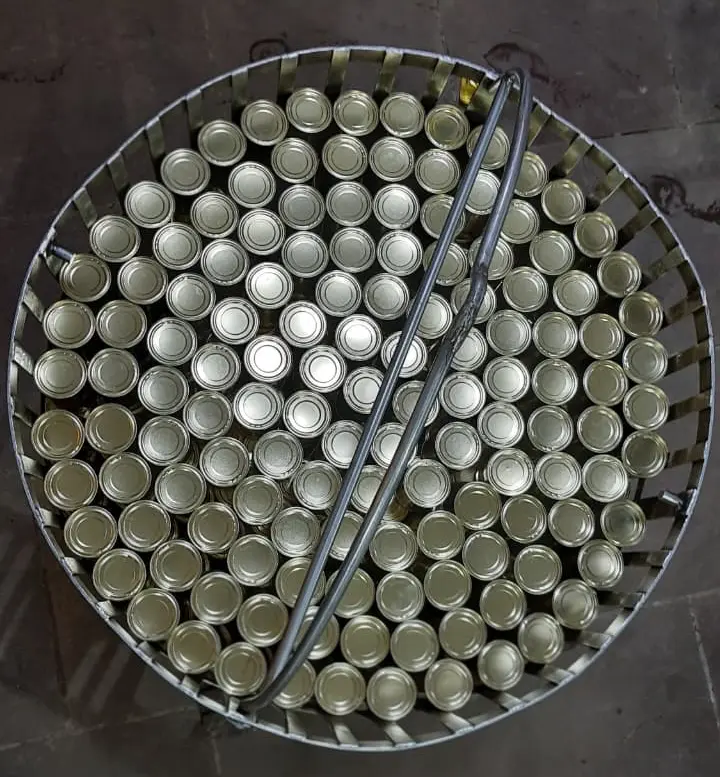
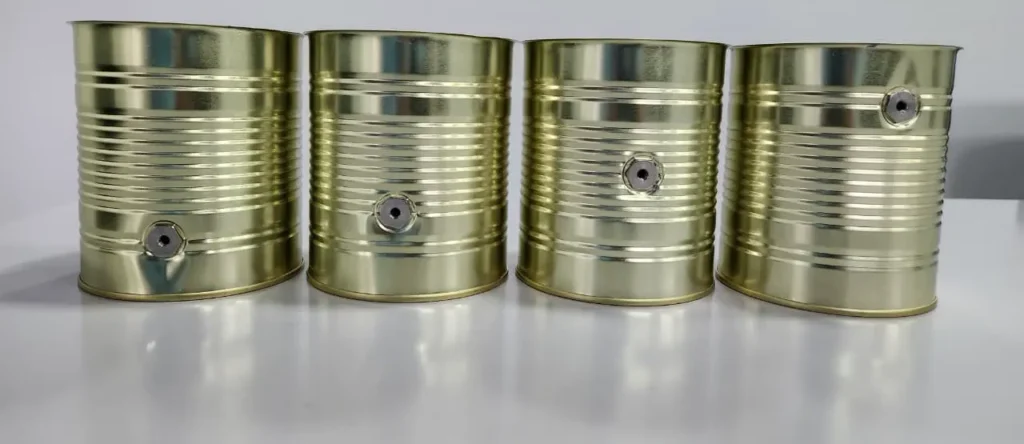
If you’re ready to enhance your thermal process validation procedures, reach out to our thermal process expert today to learn how Temperature Distribution and Heat Penetration Studies can optimize your production line. Investing in validation now can save you time, energy, and resources in the long run.
Still have technical questions?
Navigating thermal validation and FDA regulations can be complex, but you don’t have to do it alone. Let our Process Authority experts provide the clarity you need to move your production forward safely.
At TST, we offer advanced process authority and validation services in support of thermally processed shelf-stable food products. Our teams are industry experts and come well-equipped with industry-leading thermal validation equipment
